
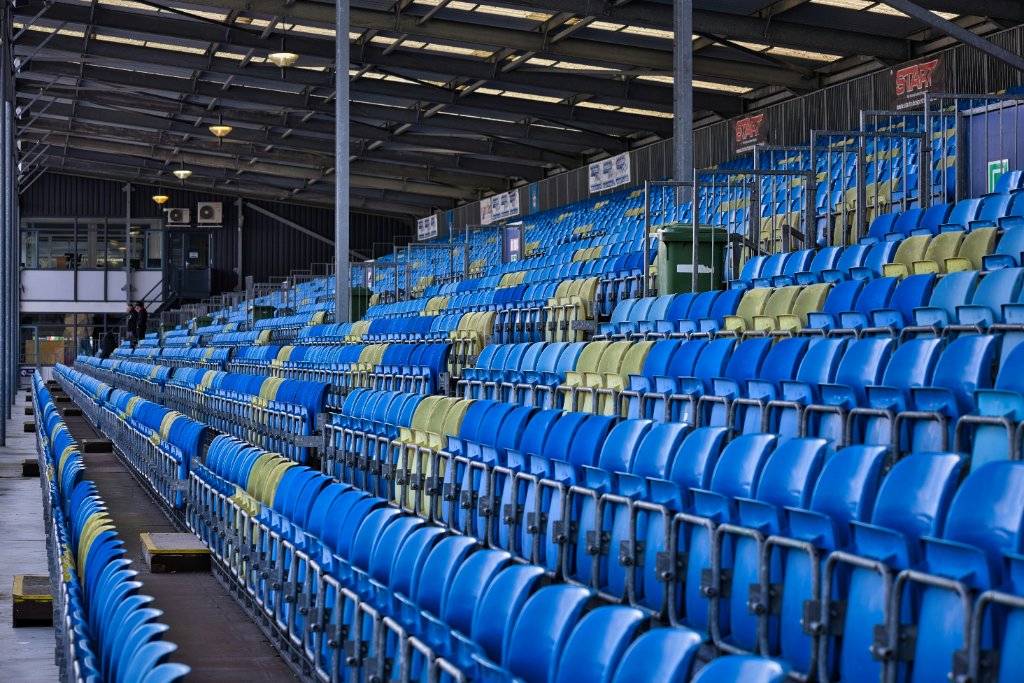
Venue and Event Operations
The event cannot depend on one person holding the entire operation together.
MCB connects venues, schedules, transportation, guest communications, live updates, staff workflows, and operational visibility within one configurable event environment.
Review an Event Operating ModelThe Operational Challenge
Events are frequently operated through disconnected systems.
Schedules live in one system, venue details in another, transportation in a third, and guest communications in email threads and text messages. Staff rely on personal memory, printed documents, and real-time phone calls to hold the experience together. When something changes—and it always changes—the correction must travel through every disconnected channel before the attendee receives accurate information.
Applicable Environments
- Film and arts festivals
- Conferences
- Sports tournaments
- Trade shows
- Multi-venue music events
- Citywide celebrations
- Large institutional gatherings
- Political and policy conventions
- Campus-wide events
What MCB Creates
Core Capabilities
Example in Practice
How a Typical Deployment Works
An attendee views a session, receives the correct venue and entrance, sees transportation options, receives a route change notification, and arrives with updated instructions. Staff and administrators see the same controlled source of information—reducing conflicting answers and missed updates.
Organizational Impact
Role-Specific Outcomes
Event Directors
- Greater control over the attendee experience
- Fewer public-facing failures
- Better visibility across teams and vendors
- A more defensible operating process
Operations Directors
- Fewer text chains and manual interventions
- Clearer issue ownership
- Less dependence on personal memory
- Faster response during live execution
Guest Services
- Accurate, consistent information
- Fewer conflicting answers between staff
- Better confidence when assisting attendees
- Reduced volume of repetitive questions
Implementation Model
MCB event infrastructure connects to existing ticketing, scheduling, registration, and venue management systems. The environment can be configured weeks before the event, tested, and supported through live monitoring during execution.
Next Step